
The Allure of Risk: Understanding Thrill-Seeking Behavior
The psychology of casino gambling is deeply intertwined with human emotions, especially the allure of risk and the excitement of the unknown. Many individuals are drawn to casinos not just for the potential monetary rewards, but also for the adrenaline rush that comes with taking a chance. This thrill-seeking behavior can be traced back to our evolutionary roots, where risk-taking often led to greater rewards. In a casino setting, this translates to a desire to take financial risks in the hopes of experiencing the euphoric highs of winning. For those interested in exploring alternatives, non-gamstop casinos provide options that may cater to different preferences and experiences.
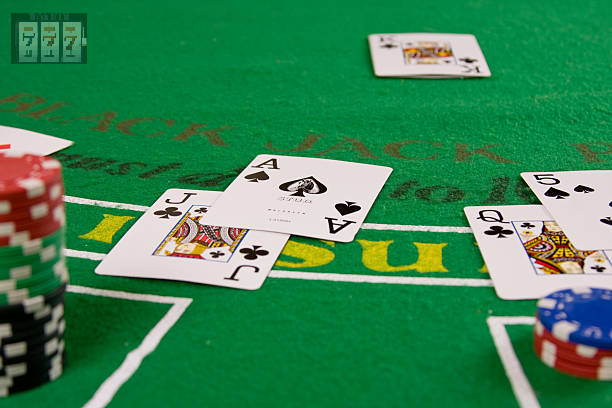
Moreover, thrill-seekers often exhibit a unique relationship with uncertainty. The unpredictability inherent in gambling can be intoxicating; it provokes a surge of dopamine in the brain, reinforcing the desire to continue playing. Understanding this psychological aspect helps to explain why certain individuals return to gambling despite experiencing losses, as the hope for a big win can overshadow the reality of their gambling habits.
Social Influences and Group Dynamics
Another critical factor influencing gambling choices is the impact of social dynamics. Individuals often engage in gambling as a social activity, drawn in by friends or peers who share a love for gaming. The communal atmosphere of a casino can enhance the overall experience, leading to a sense of belonging among gamblers. This social context can amplify risk-taking behaviors, as individuals feel encouraged to try new games or strategies in a group setting.
Additionally, the perception of gambling as a socially acceptable form of entertainment can further complicate individual choices. When surrounded by enthusiastic peers, individuals may feel emboldened to partake in high-stakes games or make impulsive bets, driven by the collective excitement and the desire to fit in. This phenomenon often leads to a cycle where social circles reinforce gambling behaviors, making it challenging for individuals to maintain moderation.
The Role of Cognitive Biases in Gambling Decisions
Cognitive biases play a significant role in shaping gambling behavior, often leading players to make irrational choices. For instance, the “gambler’s fallacy” refers to the mistaken belief that past outcomes influence future results, causing players to chase losses or believe that a win is “due.” Such biases can distort a gambler’s perception of odds and lead to behaviors that defy logical reasoning.
Moreover, confirmation bias can perpetuate gambling habits by leading individuals to focus on instances of winning while ignoring or downplaying losses. This selective memory can reinforce the notion that winning is more common than it truly is, perpetuating a cycle of continued gambling. By recognizing these cognitive biases, gamblers can better understand their motivations and make more informed decisions regarding their gambling habits.
The Impact of Environment on Gambling Choices
The design and atmosphere of a casino significantly influence gambling choices. Casinos are meticulously crafted environments, engineered to evoke excitement and prolong engagement. The use of bright lights, vibrant colors, and enticing sounds aims to create an immersive experience, drawing players into a state of heightened emotional arousal. This carefully controlled setting can influence how individuals perceive their chances of winning, often leading to riskier gambling decisions.
Additionally, the placement of games and the availability of complimentary drinks can further entice players to stay longer and gamble more. The more time spent in this environment, the greater the likelihood of increasing wagers, regardless of previous outcomes. By understanding how environmental factors affect gambling behavior, individuals can become more conscious of their surroundings and how these elements might impact their choices.

Understanding Access Issues and Responsible Gambling
As the online gambling landscape evolves, understanding access issues is essential for maintaining a responsible approach to gameplay. Security measures are often put in place on gambling platforms to protect users, which can sometimes create barriers to access. It is vital for players to recognize these security protocols as protective rather than punitive, aiming to foster a safe gaming environment.
By acknowledging the importance of security in online gambling, users can navigate access issues more effectively. Contacting site owners for assistance can lead to a clearer understanding of how to enjoy a safe and responsible gambling experience. This awareness not only enhances user interaction but also promotes healthier gambling habits, encouraging individuals to prioritize security alongside their entertainment choices.